Stargazing

Stargazing at The Oasis

Make Your
Reservation

VIEW/CANCEL
I have an Interagency Access Pass/Senior Pass   [ ? ]

*Do not check this box if you have an Annual Pass.

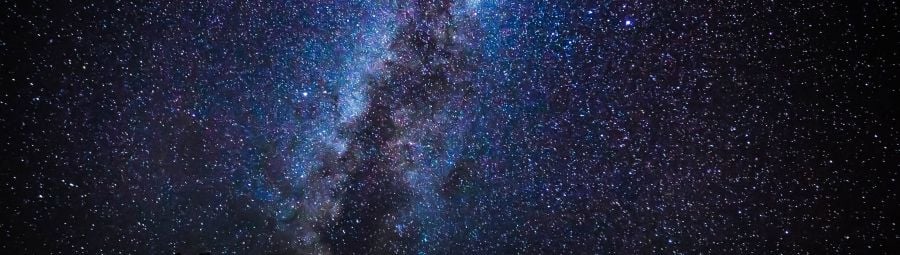
Death Valley is a Gold Tier Dark Sky National Park

Death Valley holds the highest dark sky designation in America. 2026 brings three overlapping meteor showers and a moonless Perseid peak — the best conditions in years.

Reserve Your Stay

Dark Sky Rating
Distance from LA
Perseids Peak Rate
Overlapping Showers
Gold
Highest NPS Tier
~190 miles
~3hr drive
90/hr
New moon, Aug. 2026
3
July—August

WHY DEATH VALLEY

One of the darkest skies in America

The National Park Service has designated Death Valley a Gold Tier Dark Sky Park — the highest recognition available. Located 190 miles from Los Angeles with minimal light pollution and wide-open horizons, the park offers some of the clearest night skies anywhere in the continental US.

Summer nights are warm, calm, and ideal for extended viewing. The combination of low elevation, dry desert air, and distance from major population centers makes conditions here exceptional year-round — and extraordinary in 2026.

PARK CREDENTIALS

America’s premier dark sky destination

  • Designated Gold Tier Dark Sky Park by the International Dark-Sky Association — the highest rating possible.
  • Skies regularly reach Bortle Class 2 — truly dark, with the Milky Way casting visible shadows.
  • Over 300 clear nights per year on average — one of the highest rates in the continental US.
  • Warm summer nights mean comfortable hours-long viewing without specialized gear.

2026 METEOR SHOWER CALENDAR

This summer is exceptionally good

Three showers overlap in late July and August — a rare convergence. The Perseid peak on August 12–13 coincides with a new moon, producing zero moonlight interference under already-dark skies.

Triple shower overlap · Late July through August 13

The Alpha Capricornids, Southern Delta Aquariids, and Perseids are all active simultaneously across this window. The Perseid peak — the strongest of the three at up to 90 meteors per hour — falls on a new moon. This combination is rare and makes 2026 one of the best years in recent memory for meteor viewing from a dark sky location.

Alpha Capricornids
Peaks July 30
S. Delta Aquariids
Peaks July 30
Perseids
Peaks Aug. 12–13
SHOWERPEAK DATESPEAK RATEMOON CONDITIONS2026 RATING
PerseidsAug. 12-13Up to 90/hrNew moon
Best of Year
S. Delta AquariidsJuly 30~20/hrNew moon
Excellent
Alpha CapricornidsJuly 30~5/hrNew moon
Excellent
OrionidsOct. 21-23~15/hrCheck calendar
Good
LeonidsNov. 16-18~10/hrCheck calendar
Good
GeminidsDec. 13-14Up to 120/hrCheck calendar
Excellent

Peak rates are under ideal dark sky conditions. Source: American Meteor Society · Moon phase data: TimeandDate

FEATURED PARTNER

Guided Night Sky Tours with Stardust Astrotours

Join Stardust Astrotours for a guided constellation tour with expert astronomers. Tours depart directly from the resort and include laser-guided constellation identification, high-powered telescope viewing, and narration covering mythology, astrophysics, and current sky events. All equipment is provided — no prior experience needed.

  • All equipment included
  • Expert astronomer-led
  • Small group sizes
  • Departs from the resort
  • Bookable in advance

Upcoming Events

Summer Solstice Night
– June 21, 2026

Perseid Peak Experience
– Aug. 12–13, 2026

Geminids Winter Night
– Dec. 13, 2026

VIEWING TIPS

How to make the most of your night

GO AFTER 10PM

Meteor rates climb as the radiant rises. The best viewing window is typically 1–3 am. Plan to stay at least two hours to let your eyes fully adjust.

DARK-ADAPT FOR 30 MINUTES

Avoid all white light. Use a red-light torch to navigate — red wavelengths preserve your night vision. Keep phones face-down between checks.

CHECK THE MOON PHASE

A bright moon washes out fainter meteors. The 2026 Perseid peak falls on a new moon — ideal conditions. For other dates, check the TimeandDate moon calendar before you go.

DRESS IN LAYERS

Desert temperatures drop sharply after sunset even in summer. Bring a jacket and a blanket for lying back to watch. Comfortable viewing lasts longer.

BEST VIEWING LOCATIONS

Where to go in the park

BADWATER BASIN

The lowest point in North America. Completely flat with zero obstructions to the horizon and virtually no ambient light. An extraordinary setting for the Perseids — get there early to claim your spot.

MESQUITE FLAT SAND DUNES

Wide open horizon with a striking dune foreground. One of the most photographed night sky locations in the park — excellent for both casual viewing and astrophotography.

ZABRISKIE POINT

An elevated overlook with sweeping 270-degree panoramic views. Particularly good for Milky Way photography in late summer, with dramatic eroded badlands as foreground.

PLAN WITH TRUSTED TOOLS

Useful Resources

Plan your viewing night using authoritative sky-watching tools. Moon phase and timing data can make a significant difference in what you see.

Reserve your stay this summer

Book for the Perseid peak weekend of August 12–13 for the best conditions of the year.

Limited availability for peak weekend — book early.

Check Availability